
In Dark Souls, light and darkness are far more than visual elements or simple representations of good and evil. They are fundamental forces that shape the world of Lordran, influence its characters, and define the tragic cycle at the heart of the series. Understanding the meaning of light and darkness is essential to fully grasping the philosophical depth that makes Dark Souls so enduring.
Rather than offering clear moral answers, Dark Souls presents light and darkness as opposing yet inseparable states—both necessary, both flawed, and both deeply tragic.
The Age of Fire: Light as Order and Control
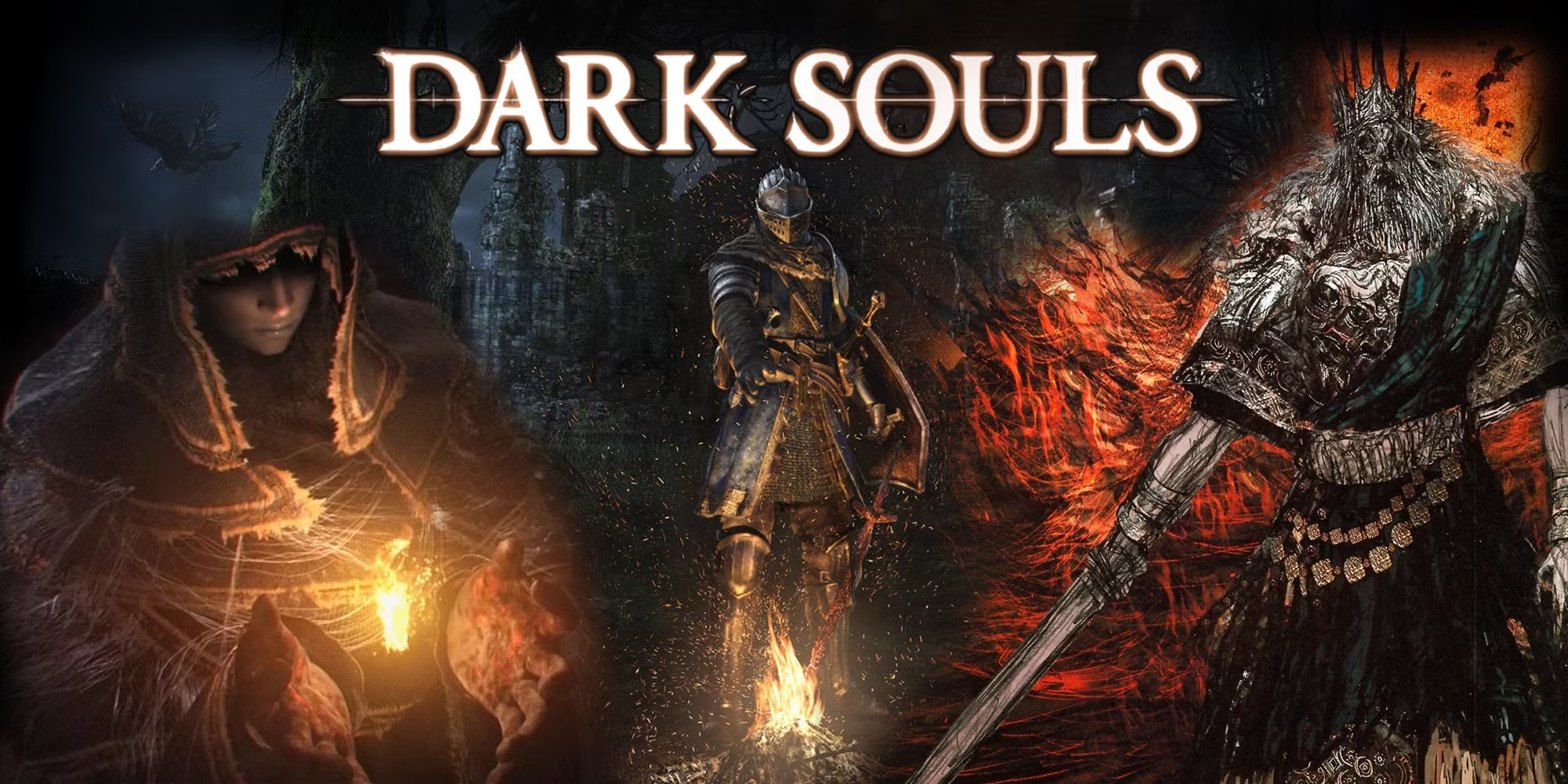
The Age of Fire represents light, warmth, and the rise of civilization. When the First Flame appeared, it brought disparity into the world: heat and cold, life and death, light and dark. From this flame emerged the Lords—Gwyn, Nito, the Witch of Izalith, and the Furtive Pygmy.
Light, in this context, symbolizes order, structure, and authority. Gwyn’s rule ushered in an era of gods and kingdoms, but it also established hierarchy and stagnation. The brilliance of Anor Londo hides an uncomfortable truth: the Age of Fire is artificial and unsustainable.
To preserve light, Gwyn sacrifices himself to link the flame, setting the world on an endless cycle of decay and rebirth.
Darkness: Fear, Humanity, and the Unknown
Darkness in Dark Souls is often misunderstood as pure evil, but the game treats it with far more nuance. Darkness is closely tied to humanity, which originates from the Dark Soul inherited by humans.
Where light enforces order, darkness represents:
- Individual will
- Change and uncertainty
- Emotional depth and suffering
Characters such as the Darkwraiths or Manus show how darkness can become destructive when twisted by fear and obsession. Yet darkness itself is not inherently corrupt—it is simply suppressed by the gods who fear losing control.
Gwyn’s Fear of the Dark
One of the most important themes in Dark Souls is Gwyn’s fear of the Age of Dark. Rather than allowing the world to transition naturally, Gwyn prolongs the Age of Fire at all costs. This decision condemns Lordran to endless cycles of fading light, hollowing, and despair.
The gods frame darkness as a catastrophe, but the truth is more ambiguous. The Age of Dark may represent a world ruled by humans rather than gods—a future filled with uncertainty, but also freedom.
This fear-driven resistance to change lies at the heart of Lordran’s suffering.
Light Is Not Hope—It Is Delay
Unlike traditional fantasy stories, Dark Souls does not equate light with hope. Linking the fire does not save the world—it merely delays its inevitable transformation.
The fading flame mirrors the player’s journey:
- Bonfires grow weaker
- Kingdoms crumble
- Heroes fall into madness
Light becomes a symbol of denial, clinging to the past instead of accepting what comes next.
Darkness Is Not Destruction—It Is Acceptance
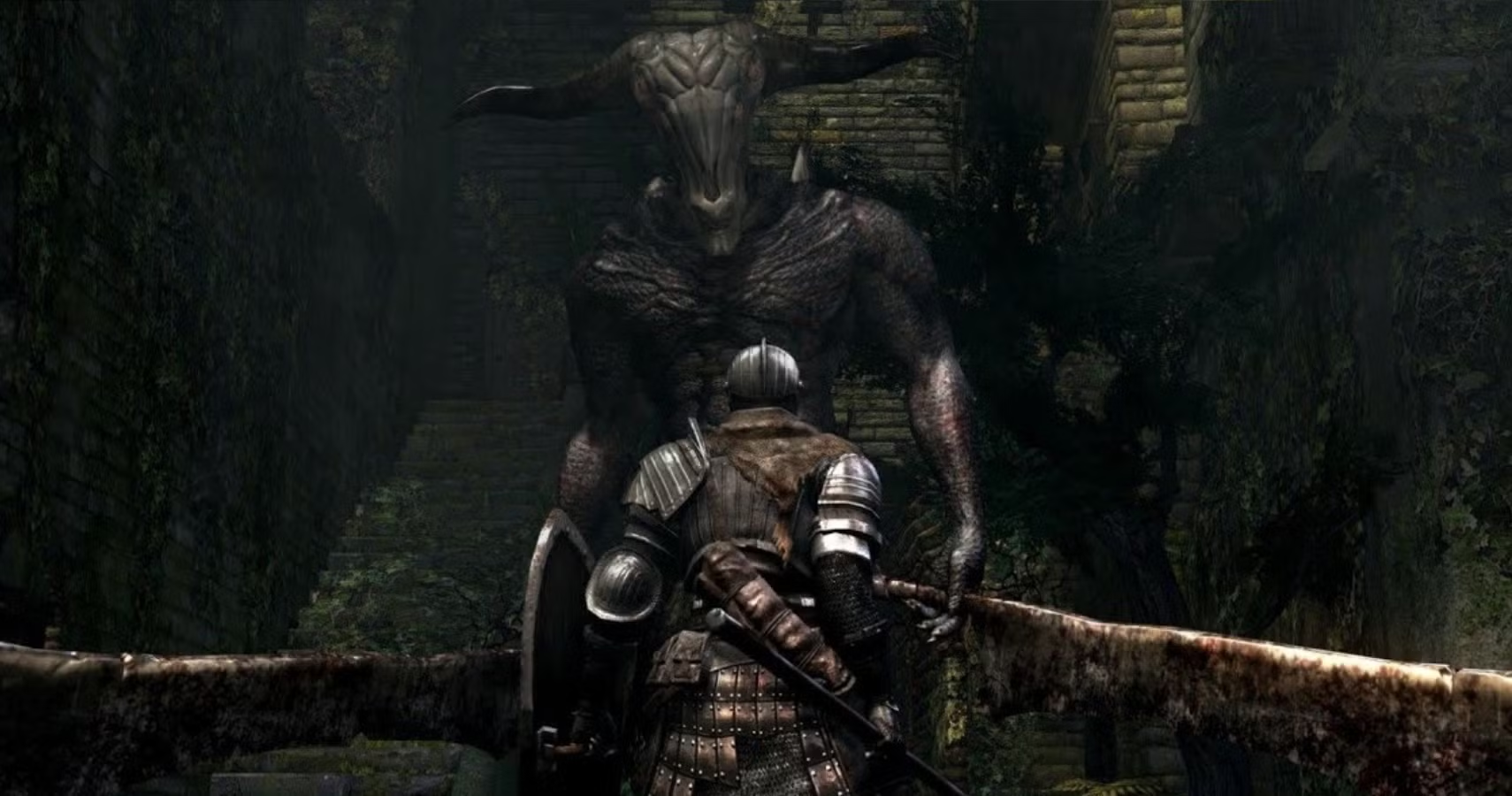
Darkness, by contrast, represents acceptance of change. Characters associated with the Dark, such as certain primordial serpents or humans who embrace their nature, often speak of inevitability rather than conquest.
The choice offered at the end of Dark Souls is not a moral one—it is philosophical:
- Continue the cycle and preserve light
- Or allow darkness to rise and let the world move forward
Neither choice is portrayed as entirely right or wrong.
Visual Storytelling Through Light and Shadow
Dark Souls communicates its themes visually as much as narratively. Areas bathed in golden light often conceal decay, while shadowy regions reveal painful truths.
Examples include:
- The illusion of Anor Londo’s sunlight
- The oppressive darkness of the Abyss
- The dim glow of bonfires as fragile hope
These contrasts reinforce the idea that appearances cannot be trusted.
Why This Theme Still Resonates
The struggle between light and darkness in Dark Souls mirrors real human fears: fear of change, fear of loss, and fear of the unknown. The game refuses to offer comfort, instead inviting players to reflect on the cost of preserving the past versus embracing the future.
This philosophical ambiguity is why Dark Souls remains powerful years after its release.
Final Thoughts
In Dark Souls, light and darkness are not heroes and villains. They are opposing forces locked in a tragic balance, each carrying hope and suffering in equal measure. Lordran is not doomed because of darkness—but because of the refusal to accept it.
By exploring these themes, Dark Souls transforms from a difficult game into a profound meditation on change, decay, and the human condition.
👉 If the themes of light, darkness, and sacrifice in Dark Souls resonate with you, explore Dark Souls–inspired apparel and collectibles at: darksoulsmerch.com. Carry the symbols and spirit of Lordran with you beyond the flame.
